“Wait… did she just mix 2 languages in one sentence?”
My friend looked at me.
“Yeah,” I said.
“That was the plan.”
We’ve spoken both languages with her since day one.
“Seems to be working,” he said..
When children grow up with 2 languages early, the brain adapts quickly.
Both languages become native.
And the best part?
Learning another languages later usually becomes easier...
“Okay Mostapha… cute. But I came here for investing with AI, not parenting.”
That’s exactly how I think about AI and investing.
Most investors are using AI.
But it still feels foreign.
They test random prompts from X, from a tech bro who’s never invested seriously in his life.
They get inconsistent results.
And they never build fluency..
That’s the whole point of my work.
I don’t want you to just use AI.
I want AI to feel native inside your investing process.
That’s what this article is about.
How to become an AI-native investor:
Like learning a language, there are rules you can’t skip:
You can’t become fluent by using it occasionally.
You can’t learn everything at once.
Random use does not create real skill.
Half-learning creates almost no edge.
AI fluency has levels, and you have to earn them one by one.
The 3 levels of the AI-native investor:
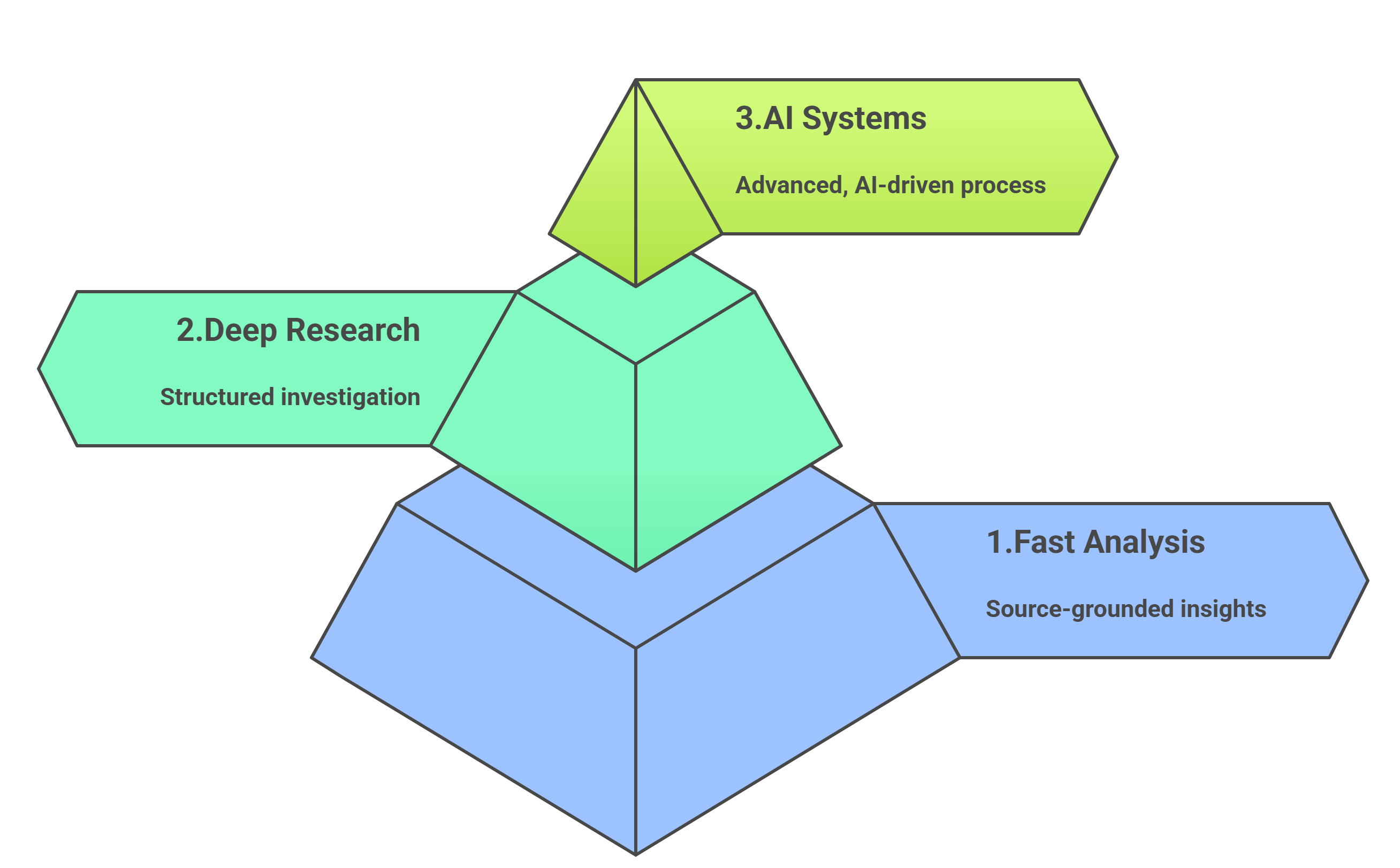
Level 1: Native in fast, source-grounded analysis
This is the foundation.
This is the first level because it feels the most natural.
It feels like a normal conversation.
You ask a question.
You get an answer.
That’s how most people started using AI.
But most investors doest it wrong.
The biggest mistake is that they are not doing it in a source-grounded way.
Best tool Today
Today, the best tool for this is NotebookLM.
Why? Because it keeps the conversation grounded in the source material.
You upload the report, transcript, or presentation, and the model works from the company’s actual words.
If you want exemple how to use NotebookLM, read this article:

This is useful when you want to:
Understand a specific section of an annual report faster
Clarify what management actually means in plain English
Understand a segment, geography, or product line without digging manually
Verify whether your interpretation matches the source material
For example:
If management says margins improved because of “mix and productivity,” you can ask NotebookLM to explain exactly what that means, where it appears in the report, and what likely drove it.
Level 2: Native in deep, structured research
This is where real leverage starts.
You stop asking isolated questions.
And start running real research workflows.
At this level, the edge comes from 2 things:
1. Deep Research
2. The right prompt
Deep Research can read 100+ sources and build a research file fast.
That’s powerful.
But without the right prompt, it usually gives you more information.
Not better research.
The prompt is what turns raw information into usable investing work.
It tells the model what to look for.
What to compare.
What to challenge.
What to ignore.
And a real investing prompt is not one line.
On average, it’s closer to 1–2 pages.
Structured.
Tested.
Built from actual investing experience.
Best tool today
Today, the best tool for this is Gemini Deep Research.
The biggest value here is:
You can go from zero to a solid first-pass thesis much faster.
You can understand an industry before reading every report.
You can compare the company, competitors, and substitutes in one workflow.
You can challenge one idea from multiple angles instead of relying on one answer.
You can turn broad research into something structured and usable.
Pro tip:
Once you master deepreserch with one strong prompt, the next step is to turn it into a research sequence.
That means using multiple prompts for one specific objective.
That’s exactly what I showed in my growth-rate analysis article.

Level 3: Native in AI-powered investing systems
This is the top layer.
This is where you stop repeating yourself.
And start building reusable investing systems.
You stop rewriting the same prompts.
And start packaging what already works.
Build it once.
Use it again and again.
Best tool today
Today, the best tool for this is Claude with Skills.
It turns a workflow you already trust into a reusable system.
The biggest value here is:
You stop starting from zero every time.
You turn your best prompts into reusable investing tools.
You save time on repeat work like earnings reviews, thesis updates, and company breakdowns.
You build investing infrastructure that compounds.
Now you know the 3 levels.
The real question is: how do you become native in all three?
Let’s dive in.
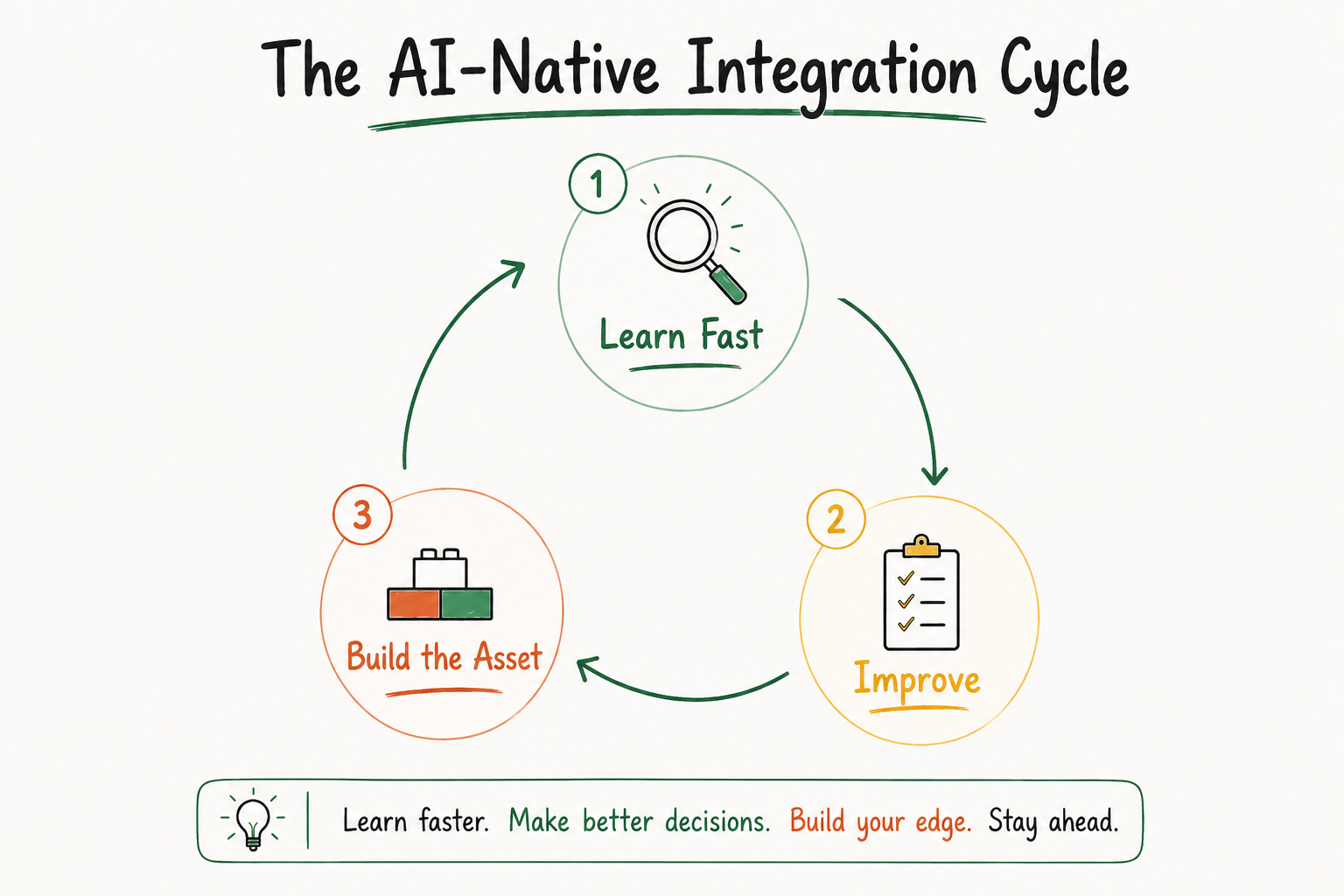
Here’s the 3-step process.